Hurn recycling dorset hampshire devon logo v1
HURN RECYCLING

Glass Recycling

Recycle all your glass with our easy and cost-effective glass recycling service designed for businesses across a range of sectors. Our glass recycling bins take all colours of glass, so leave the sorting to us!

QUESTION

What is Glass Recycling?

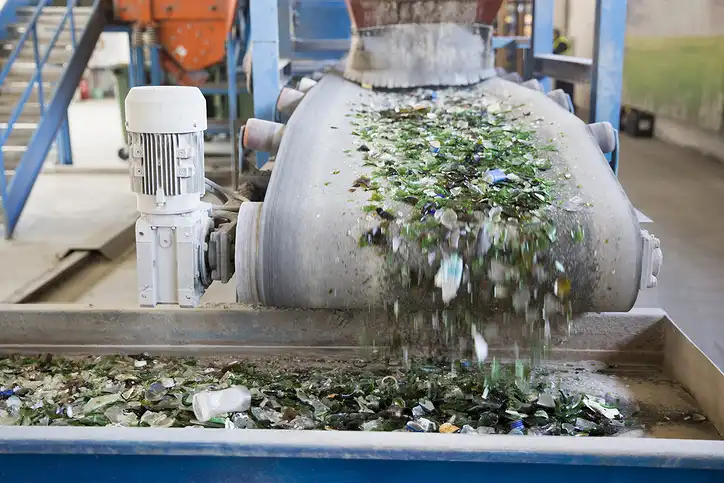
Glass recycling is the process of collecting used glass items, cleaning and sorting them at a Materials Recovery Facility (MRF), crushing them into small pieces called cullet, before melting them to make new glass products.

Recycling glass reduces the need for raw materials, uses less energy than making glass entirely from scratch, and keeps waste out of landfill. Glass can generally be recycled repeatedly without losing its basic quality, which makes it a highly sustainable and cost-effective process.
Hurn recycling dorset exeter 144 scaledHurn recycling arrow
Glass recycling plantHurn recycling arrow
BENEFITS

The Benefits of Glass Recycling

Glass recycling has several environmental and economic benefits:

  • Conserves raw materials
  • Reduces demand for quarrying
  • Requires less energy than producing glass from raw materials
  • Lower emissions than producing new glass
  • Protects wildlife and public spaces
OUR SERVICE

What We Do

At Hurn Recycling, we provide tailored glass recycling collection services designed to meet the unique needs of businesses, ensuring safe, reliable, and compliant processing with minimal disruption.

Compliance

Every glass collection is carried out in line with current local and national waste regulations.

Flexibility

Glass collection schedules tailored around your business, not a one-size-fits-all timetable.

SUSTAINABILITY

How Your Glass is Recycled

Food waste can be recycled using several environmentally friendly processes rather than being sent to landfill.
1.

Collection

We collect used glass from your business and transport it to a specialist Materials Recovery Facility, where it is safely prepared for further processing.
Glass recycling bottles
2.

Sorting & Crushing

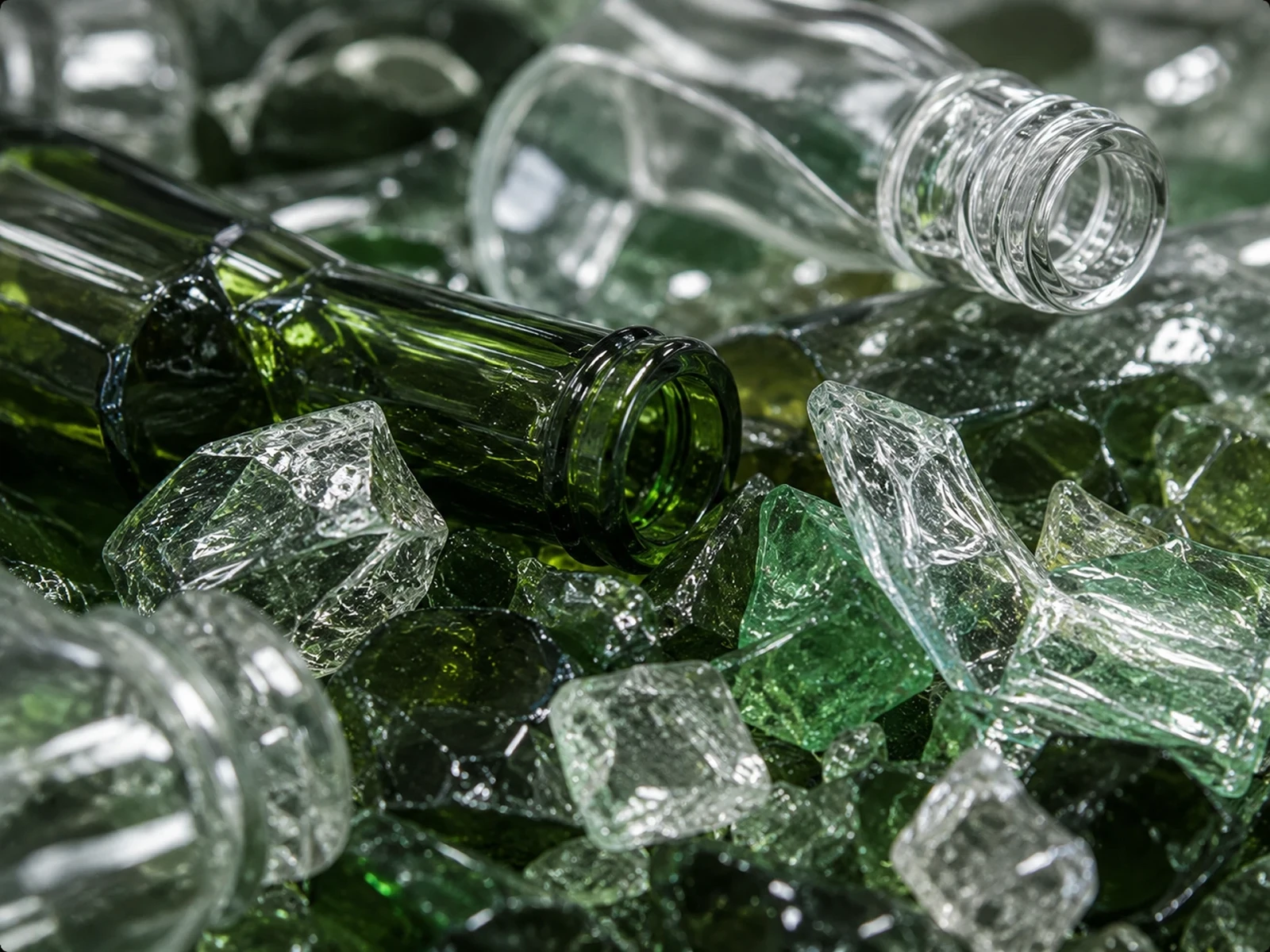
At the facility, glass is sorted by colour, cleaned of lids and labels, then crushed efficiently into small pieces known as cullet for recycling.
Glass cullet
3.

Melting & Remaking

The cullet is then heated in a furnace until molten, before it is finally moulded or blown into bottles and jars, ready to be filled and used again.

Making new bottles
YOUR OPTIONS

Glass Collection Bin Sizes

We first conduct a waste audit for your business. Once we have a full understanding of your business's needs, we create a bespoke service tailored to your waste volumes and specific requirements. We offer flexible collection schedules, including daily, weekly, fortnightly or monthly pickups, and cater for businesses of all sizes.
Hurn recycling 176 scaled
Glass Waste

120ltr

  • H 97 × W 48 × D 56 cm
  • Up to approx. 35kg of glass
  • Small cafés, bars, offices and low-volume glass waste
Hurn recycling 176 scaled
Glass Waste

240ltr

  • H 107 × W 58 × D 73 cm
  • Up to approx. 50kg of glass
  • Pubs, restaurants, hotels and busy commercial kitchens
ACCEPTED ITEMS

What Can Be Disposed of in Glass Recycling Bins?

We accept clean and dry glass, including:

  • Bottles: Wine, beer, spirits, etc.
  • Jars: Sauces, jam, baby food, etc.
  • Non-food bottles: Perfumes, aftershave, face creams, etc.
PROHIBITED ITEMS

What Can't Be Disposed of in Glass Recycling Bins?

The following materials must not be placed in the recycling container, as they can contaminate your glass bin:

  • Ceramics: Crockery, earthenware, etc.
  • Drinking glasses: As they are often hardened glass.
  • Glass cookware: Pyrex, microwave plates, etc.
  • Mirror glass: as it often has metal backing
  • Light bulbs and tubes
  • Vases

For a detailed list, please refer to our guidelines or contact our team. You can contact us using our contact form or give us a call on: 

Bournemouth – 
01202 257530 or Exeter – 01392 323316 

2026 © Hurn Recycling All rights reserved.