Hurn recycling dorset hampshire devon logo v1
HURN RECYCLING

Dry Mixed Recycling

Dry Mixed Recycling, or DMR, is a cost-effective way to recycle waste. At Hurn Recycling, we offer DMR wheelie bin collection from premises across Dorset.

QUESTION

What is Dry Mixed Recycling (DMR)?

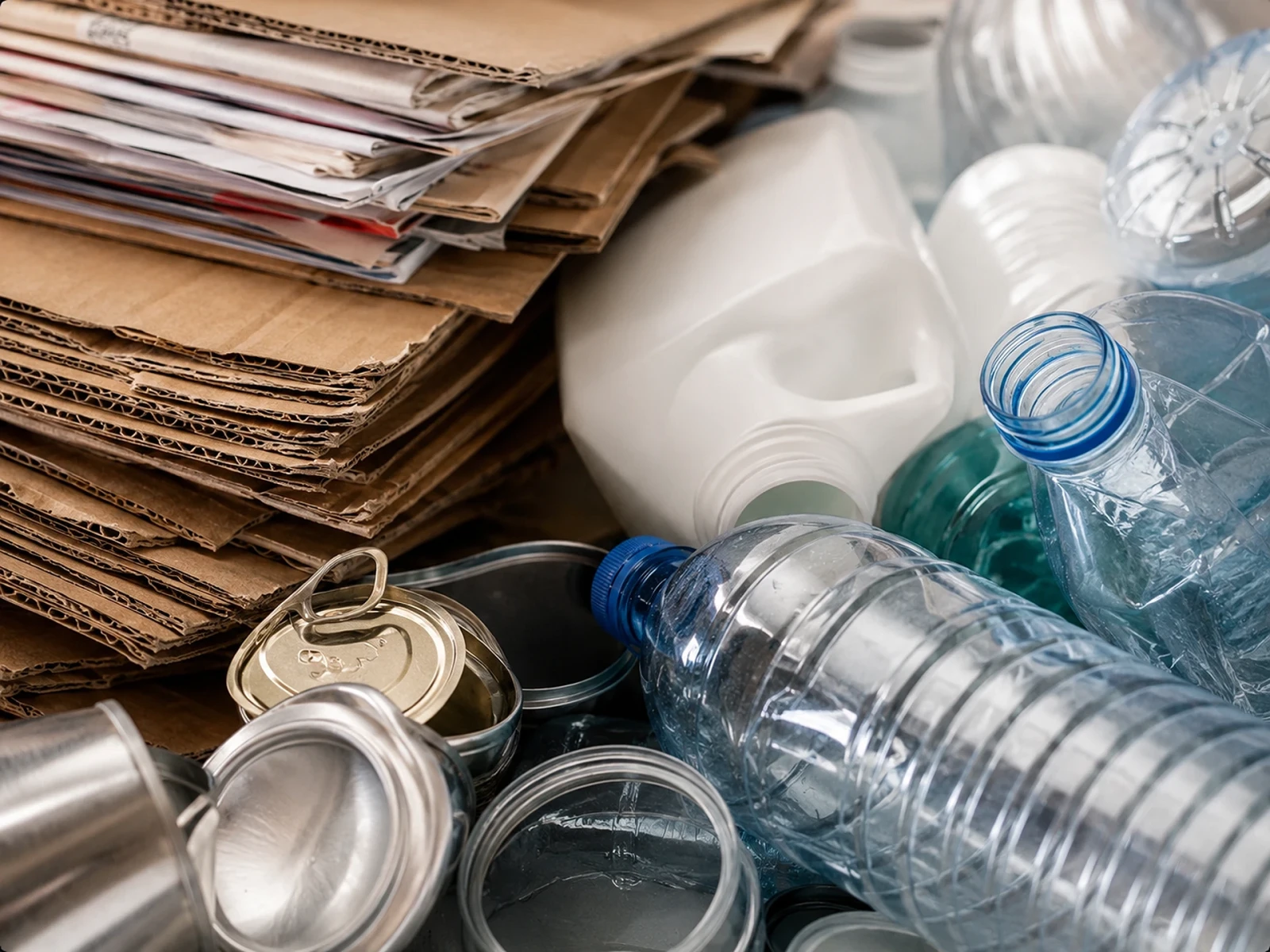
Dry Mixed Recycling (DMR) makes recycling simple. Your business just needs to place all accepted clean, dry recyclable materials, including cardboard, paper, plastic and tins, into one container together, with no need to separate.

Once collected, the mixed recyclables are taken to a specialist Materials Recovery Facility (MRF), where they are sorted into separate material streams for processing and recycling. By keeping recyclable materials out of general waste, DMR helps your business reduce its environmental impact, improve recycling rates and support a more sustainable approach to waste management.

It is an easy and cost-effective way to recycle more, reduce waste management costs and avoid the need for multiple bins for different materials.
Hurn recycling dorset exeter 143 scaledHurn recycling arrow
OUR SERVICE

What We Do

We provide tailored DMR collection services designed to meet the unique needs of businesses, ensuring safe, reliable, and legal disposal with minimal disruption. By choosing Hurn Recycling, we will provide you with: 

Compliance

Every collection is run in line with current waste management regulations, so you're never left exposed. 

Flexibility

Bin sizes and collection schedules built around your business, not a standard template. 

SUSTAINABILITY

Make Your Business More Sustainable

Every collection is run in line with current recycling management regulations, so you're never left exposed.
1.

Collection

We collect your clean, dry recyclable materials, including paper, cardboard, plastics, tins and cans, in one single bin, so there is no need for you to separate them. We will work with you to agree the most suitable collection schedule for your business, based on the volume of material you produce and your operational needs.

Dry mixed recycling collection hurn recycling
2.

Sorting

The materials are taken to a specialist Materials Recovery Facility (MRF), where they are mechanically and manually separated into individual material streams. Screens separate materials by size, magnets remove steel, eddy current separators recover aluminium, and optical sorters identify and separate different types of plastic and paper.

Separating recycling
3.

Reprocessing

Once sorted, the recovered materials are baled and sent to manufacturers to be reprocessed into new products, helping to support the circular economy. Only residual material that cannot be recycled is sent to an Energy from Waste facility (EfW), maximising recycling rates and minimising landfill.
Baled recycling paper
YOUR OPTIONS

Dry Mixed Recycling Container Sizes & Collection Options

For businesses with limited space, we also offer a pre-paid bags service for bagged dry mixed recycling.
240ltr dry mixed recycling bin hurn scaled
Dry Mixed Recycling

240ltr

  • H 107 x W 58 x D 73 cm
  • Approx. 4-5 sacks
  • Best for: small offices, shops and salons
240ltr dry mixed recycling bin hurn scaled
Dry Mixed Recycling

360ltr

  • H 110 x W 60x D 85 cm
  • Approx. 5-6 sacks
  • Best for: cafes. larger offices and small commercial sites
660ltr dry mixed recycling bin hurn scaled
Dry Mixed Recycling

660ltr

  • H 122 x W 126 x D 77 cm
  • Approx. 10-12 sacks
  • Best for: restaurants, retail units and medium business
1100ltr dry mixed recycling bin hurn scaled
Dry Mixed Recycling

1100ltr

  • H 137 x W 125 x D 100 cm
  • Approx. 15-18 sacks
  • Best for: warehouses, schools and high-volumn sites
240ltr general waste bin hurn scaled
General Waste

240ltr

  • H 107 x W 58 x D 73 cm
  • Approx. 4-5 sacks
  • Best for: Small offices, shops and salons
360ltr general waste bin hurn scaled
General Waste

360ltr

  • H 110 x W 60x D 85 cm
  • Approx. 5-6 sacks
  • Best for: cafes. larger offices and small commercial sites
660ltr general waste bin hurn scaled
General Waste

660ltr

  • H 122 x W 126 x D 77 cm
  • Approx. 10-12 sacks
  • Best for: restaurants, retail units and medium business
1100ltr general waste bin hurn scaled
General Waste

1100ltr

  • H 137 x W 125 x D 100 cm
  • Approx. 15-18 sacks
  • Best for: warehouses, schools and high-volumn sites
120ltr food waste bin hurn scaled
Food Waste

120ltr

  • H 94 × W 48 × D 55 cm
  • Approx. 1–2 sacks
  • Small cafés, office kitchens and low-volume food waste
240ltr food waste bin hurn scaled
Food Waste

240ltr

  • H 107 × W 58 × D 73 cm
  • Approx. 2–3 sacks
  • Restaurants, pubs, cafés and commercial kitchens
660ltr dry mixed recycling bin hurn scaled
Cardboard & Paper

660ltr

  • H 122 x W 126 x D 77 cm
  • Approx. 8–10 sacks
  • Best for: Shops, offices, cafés and medium-sized commercial sites
1100ltr dry mixed recycling bin hurn scaled
Cardboard & Paper

1100ltr

  • H 137 × W 125 × D 100 cm
  • Approx. 12–15 sacks
  • Best for: Warehouses, schools, large offices and high-volume retail sites
Cardboar bundlewaste height hurn scaled
Cardboard & Paper

Cardboard Bundle

  • H 46 × W 73 × D 84 cm
  • One manageable flattened bundle
  • Best for: Shops and businesses producing occasional bulky cardboard
Hurn recycling 176 scaled
Glass Waste

120ltr

  • H 97 × W 48 × D 56 cm
  • Up to approx. 35kg of glass
  • Small cafés, bars, offices and low-volume glass waste
Hurn recycling 176 scaled
Glass Waste

240ltr

  • H 107 × W 58 × D 73 cm
  • Up to approx. 50kg of glass
  • Pubs, restaurants, hotels and busy commercial kitchens
ACCEPTED ITEMS

What Can Be Disposed of in Dry Mixed Recycling Bins?

We can accept clean and dry recyclables that include: 
  • Cardboard and Paper: Flattened cardboard boxes, newspapers, magazines, and office paper.
  • Plastics: Clean plastic bottles, pots, tubs, and trays.
  • Metals: Aluminium and steel cans, and tins.
PROHIBITED ITEMS

What Can't Be Disposed of in Dry Mixed Recycling Bins?

The following materials must not be placed in the recycling container, as they can contaminate your DMR bin:

  • Glass: Should be disposed of using our dedicated glass recycling service.
  • Food Waste: Organic waste should be separated to prevent contamination.
  • Contaminated Materials: Items with food residue or liquids.
  • Hazardous Waste: Batteries, chemicals, and medical waste.
  • Polystyrene: Not suitable for DMR bins.

For a detailed list, please refer to our guidelines or contact our team. You can contact us using our contact form or give us a call on: 

Bournemouth – 
01202 257530 or Exeter – 01392 323316 

THE WHY

The Benefits of DMR (Dry Mixed Recycling)

Dry mixed recycling involves sorting and separating different materials such as cardboard, paper, plastic, and metal. The sorted materials are then sold to manufacturers who use them to create new products. The benefits of dry mixed recycling include: 

  • Reducing the amount of waste sent to landfill 
  • Saving energy and resources 
  • Reducing greenhouse gas emissions 

The UK government has recently begun increasing the cost of landfill, and this trend is likely to continue. As such, there has never been a better time to begin recycling, and DMR is the simplest way to start. 

Dry mixed recycling hurnHurn recycling arrow

2026 © Hurn Recycling All rights reserved.